

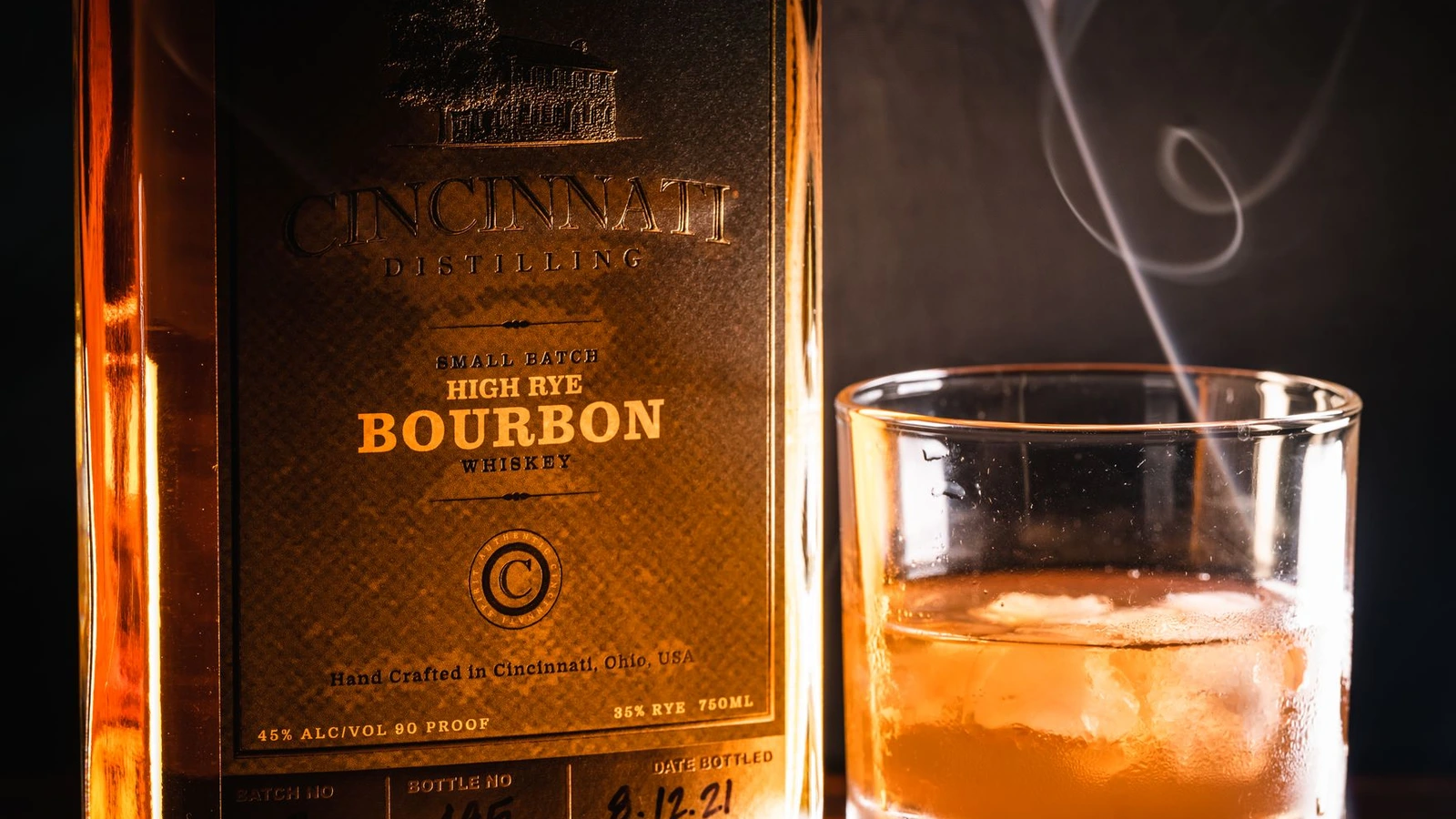
Which is a better business: Small batch condo, or small batch bourbon?
265 East Houston Street
265 East Houston Street is a boutique, full-floor condominium located on the south side of Houston, just at the northern tip of the Lower East Side. Finished in the mid-2010s — an era, for me, when “a night out on the Lower East Side” meant getting home long after Saturday Night Live had aired — the building has seven residences, starting on Floor 3 up to the Penthouse. Each unit may be accessed via a private, keyed elevator , while the building offers residents a virtual doorman, package room , cold storage , and a shared roof deck .
From the outset, the project positioned itself squarely in the “small-batch luxury” category — like high-end bourbon — emphasizing privacy, intimacy, and refined finishes. Developed by 265 East Houston LLC and initially marketed by MNS, 265 East Houston was a contemporary of other boutique condo developments in the area like 250 East Houston Street, 196 Orchard Street, 222 East Broadway (which we recently covered), and 50 Clinton Street. At the time, developers sought to capture value from proximity to nightlife , transit , and downtown employment while testing pricing levels more commonly associated with quieter side streets.
The original vision centered on treating each residence as a standalone home rather than as part of a conventional condominium stack. Floor-through layouts, private outdoor space for most units , and consistent use of premium materials such as Carrara marble and Miele appliances were intended to create a discreet, design-forward living experience. Prior to redevelopment, the site was occupied by a lower-scale structure consistent with Houston Street’s historically mixed-use, transitional character. In that sense, the project reflects a familiar Lower East Side pattern: replacing utilitarian or under-built parcels with luxury residential stock that presses against the upper limits of what the immediate micro-location can support in pricing. (We’ll actually look to see if those “upper limits” were higher or lower than anticipated. )
Click to learn more about 265 East Houston
Since sponsor sales began around 2017, the building has recorded seven sponsor-era closings, followed by six subsequent resale transactions , with several units trading more than once. For a condominium of this size, that represents a relatively high degree of turnover and points to an extended period of price discovery rather than a stable base of long-term owners anchoring values.
In raw terms, pricing outcomes across the building have been uneven .
Several units sold during the sponsor phase at levels that proved difficult to exceed on resale, even when broader market conditions were supportive . In some cases, modest appreciation was realized over multi-year holding periods, while in others, resales cleared at material discounts to prior purchase prices . The penthouse itself — often the strongest performer in boutique buildings — sold on resale below its original sponsor price despite transacting during a comparatively favorable market window . Other units were reintroduced with ambitious pricing only to see repeated reductions and, in at least one case, a delisting without a completed sale .
Taken together, 265 East Houston’s transaction history suggests a building with real liquidity but limited pricing insulation. Values have not moved in a uniform or consistently upward direction — despite the individual units sharing a degree of uniformity.
In our next post, we’ll look at how the individual units performed at resale. But, here’s the kicker, phrased as a question: When buildings don’t appreciate, who is left holding the bag?
Choose the best answer:
A) The developer who built the building?
B) The architect who designed the building?
C) The broker who sold the building?
D) The residents who purchased units in the building?
E) The neighborhood who (isn’t a who, but) surrounds the building?
Hint: It isn’t A, B, or C.