

The lease, the loophole, and the war over NYC’s rent-stabilized apartments
Inside NYC’s rent game
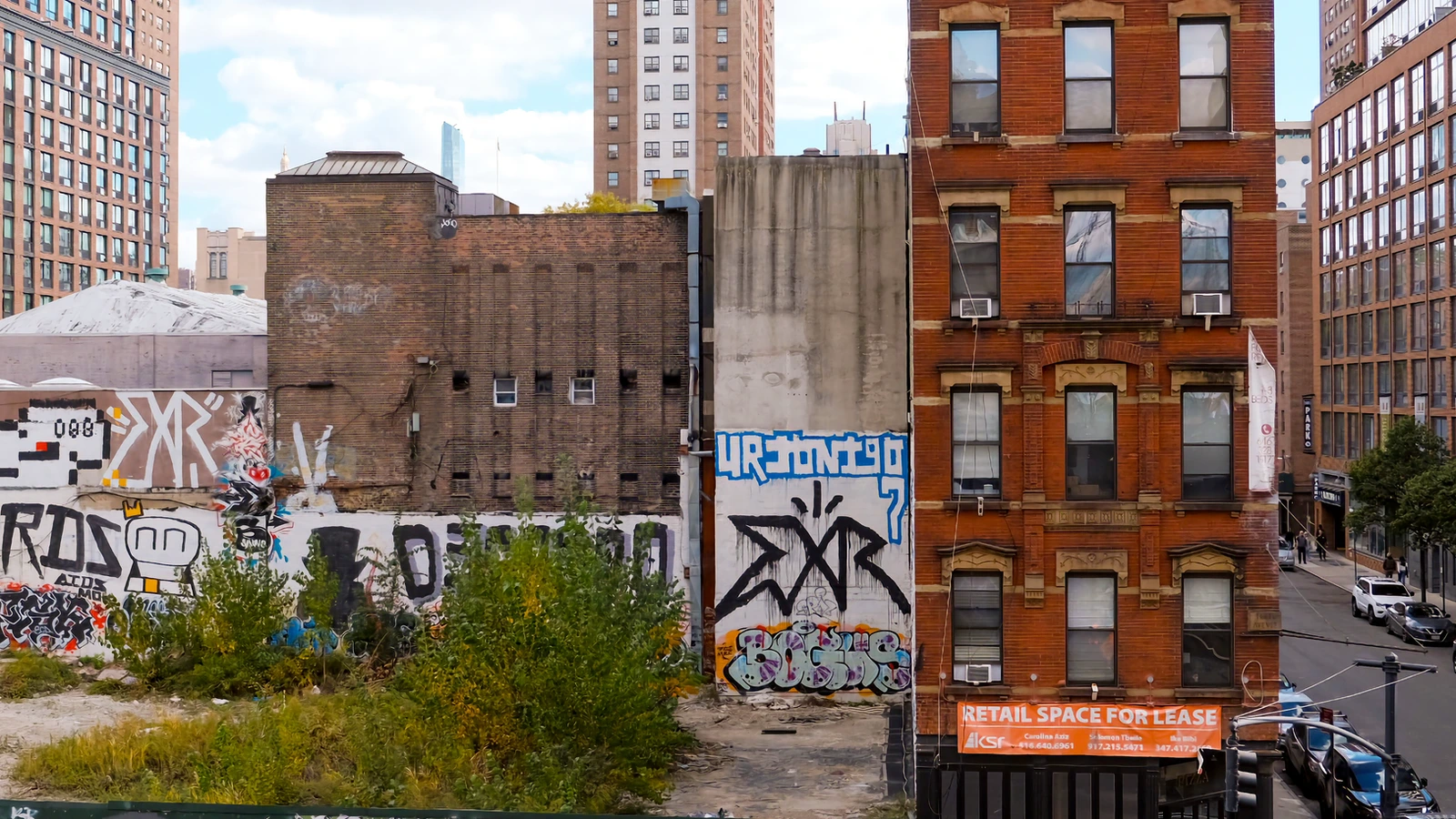
Rent-stabilized apartments are a peculiar breed in NYC real estate.
For landlords, they’re a different kind of gold: occupancy. A full building is a rent roll you can bank on—even if the margins are tighter than a market-rate property across the street.
For tenants, they offer rare predictability in a market defined by chaos.
But the story doesn’t end there.
The Investor’s Angle
Investors watch the regulatory winds like Midwestern tornado chasers. When Albany tightens rules, stabilized assets are steady-Eddie income plays. When things loosen? It's go-time: renovate, reset rents, and shift units closer to free-market pricing. For those who buy at just the right moment, the upside can be massive.
Things changed in 2019 with the Housing Stability and Tenant Protection Act of 2019 (HSTPA).
Pre-2019: A $40K renovation could mean a permanent rent hike.
Post-2019: Increases are capped, must be registered with DHCR, and speculative renovations are not so lucrative anymore.
Even under stricter rules, though, landlords still play the renovation game:
Modern kitchens
Upgraded bathrooms
Full gut jobs
Each improvement can marginally raise the legal regulated rent. It’s not a jackpot—but over dozens or hundreds of units, those bumps add up.
But here’s the kicker: To renovate, the apartment must be vacant.
If you have tenants in place, you’re stuck with the current Rent Guidelines Board increases:
2.75% (1-year)
5.25% (2-year)
The Tenant Angle
Tenants living in stabilized units must receive a renewal lease via DHCR Form RTP-8, which asserts existing tenants’ legal right to a 1- or 2-year renewal at guideline increases.
However, if a vacancy lease is presented—while you’re still living there—it’s a big red flag . Vacancy leases are meant for new tenants—not current ones.
So why would a landlord present it?
Often, it’s framed around renovations and “upgrades”—but it could actually be an attempt to:
Reset the legal rent
Slip in “improvements” without oversight
Weaken tenant protections
Under current law, these moves don’t stick. But once a tenant signs? Contesting it becomes a legal headache.
In 10002, there are more than 550 rent-stabilized buildings, making this a pressing issue for both investors/landlords and tenants alike. Vigilance is everything.