

No Bourbon, No Scotch, (but) One Beer (and an empty lounge)
163 Orchard Street
The Orchard Street Hotel sits on one of the coolest streets in the world. (Hint: The street name is in the hotel name.)
That’s right, it sits on the same “trendy NYC stretch known for its indie boutiques, boundary-pushing eats, and historic grit.”
And, from the looks of things, it has an opening for another “boundary-pushing” eatery; or, at least, a bar operator. So, how could a hotel on this particular block, of all places, struggle to fill its second-floor commercial space?
There are a few answers, and they’re likely less about demand than they are about structure and regulation. One of the most consequential constraints? Licensing.
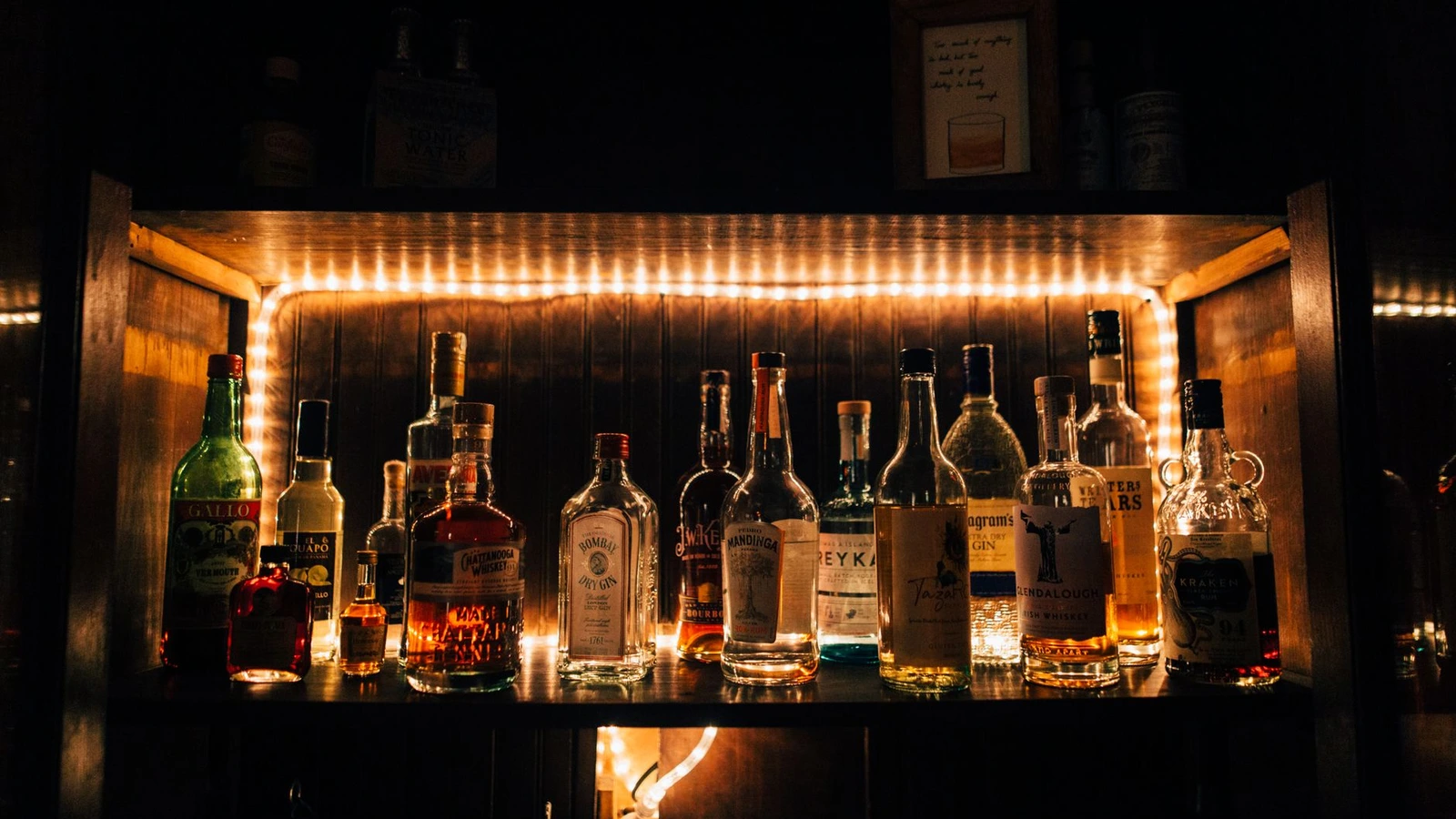
The Orchard Street Hotel does not have a full liquor license, meaning no cosmos, no dirty martinis, and no negronis. That limitation matters — and not just because it’s one less place for me to grab a negroni.
What’s the backstory?
Let’s rewind to 2020. New York was ravaged by the insidious COVIDious, and brick-and-mortar businesses were failing.
Hotels? Fuggedaboudit! No one was traveling.
The Orchard Street Hotel had a Tavern Wine license, giving the establishment permission to sell beer and wine — for consumption only — within a bar or restaurant space. The team there, though, applied for a Hotel Wine license, allowing the property to sell wine (and beer) for consumption in guest rooms, via room service, and in multiple internal service areas.
This was a potential game-changer…or, at least, a means of life support.
Standing in the way of a license was a 180-minute meeting with Community Board 3 — I know, because I watched a Zoom replay….It was brutal.
But it was also detailed and thorough:
How many speakers will there be on the rooftop?
What will be the exact opening and closing times for the second floor?
That meeting also made something else very clear. From a regulatory and operational standpoint, the Orchard Street Hotel was not conceived as a nightlife-driven property.
Developed in the mid-2010s as a modern boutique hotel, it replaced an older low-rise structure, and was designed as a contemporary hospitality operation. The building rises roughly twelve stories and was intentionally positioned as a compact, neighborhood-scale hotel with tightly managed amenities rather than a high-impact destination.
Its filings, licenses, and operational choices consistently reflect that posture.
All of this brings us back to the central tension: can a hotel on Orchard Street successfully serve its patrons without a full liquor license?
Right now, the answer is no.
As things stand, the Orchard Street Hotel has 1,900 square feet of vacant retail space spanning two floors.
The first-floor retail space comprises 500 square feet, offered on a 2–10 year term at $156 per square foot per year, with street-level frontage. (Think “small shop”.)
There’s also 1,400 square feet on the second floor — a bar/lounge available on a 2–10 year term, at a lower rate of $85 per square foot per year (roughly $10k/month).
This is wherein lies the question:
Can a second floor lounge that can only service wine and beer meet a $10k/month obligation on one of the coolest streets in America?


