

In the name of the condo's second coming
Good Faith Conversions: Part 1
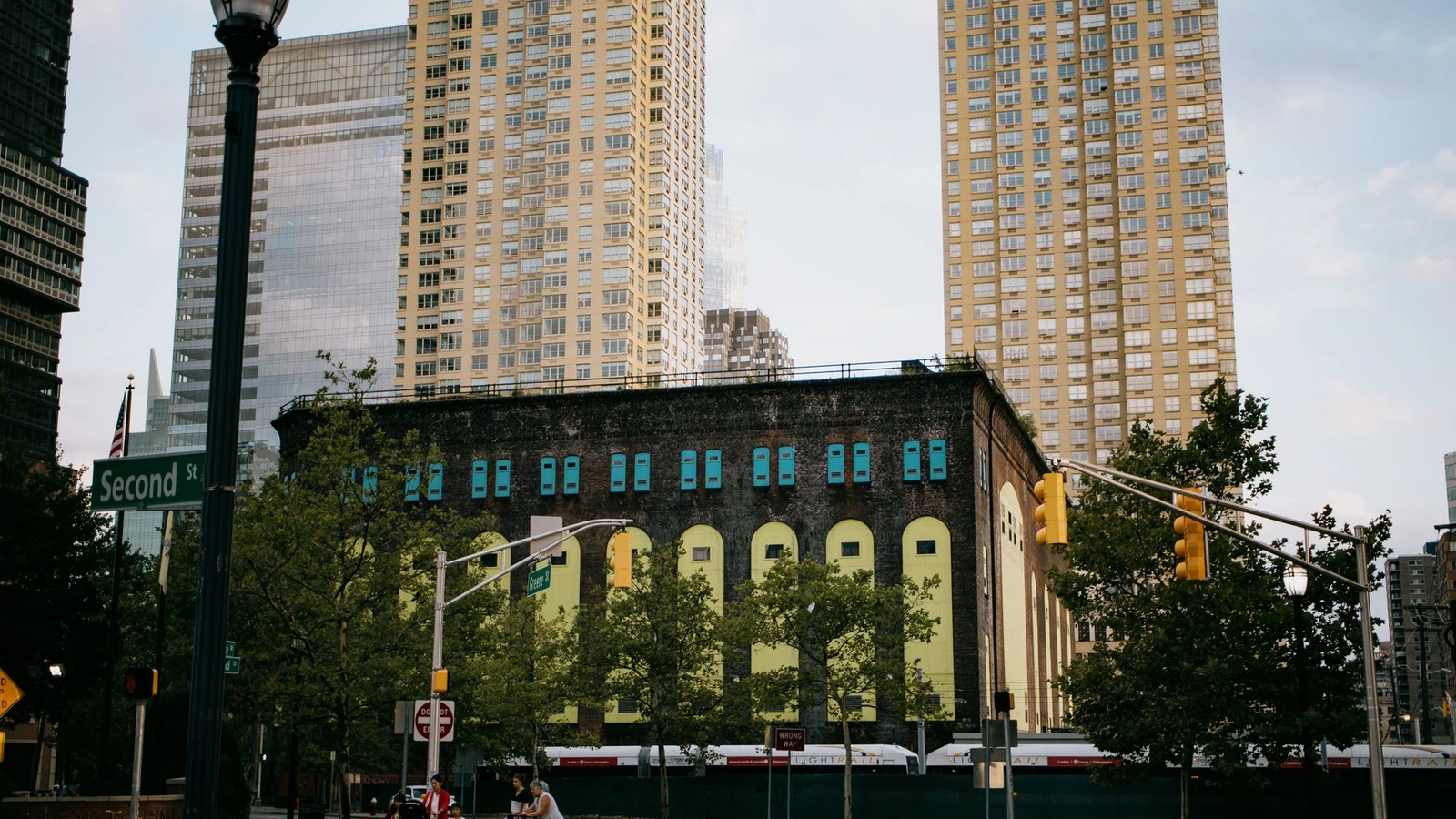
Aging architecture can feel tired, admittedly — which is one of the reasons why new developments can be so attractive.
Want to spruce up your block? Drop in a condo . Use steel, concrete, and glass . Sprinkle in some modern design and sharp finishes and, “Presto,” we have a forward-thinking, sparkly new building that screams, “Progress!”
Age, though, doesn’t have to mean ugly , and a building doesn’t have to be ancient — See: The Parthenon — to be attractive. “More recent but old” can be a good thing, especially if the style of the period is remembered fondly .
On the flip side , as in the case of Brutalism, it can be the opposite. For instance, if you read our recent feature on Herman Jessor, his brick archetype practically stops you in your tracks on Grand Street to say, “Hey, we were built in the 1950s,” and not everyone’s a fan .
His functional and democratic approach to architecture is not considered in the same echelon as luminaries like Stanford White, George B. Post, Eero Saarinen, Robert A.M. Stern, or Annabelle Selldorf. (Google them: I did! )
But let’s say you want the echoes of yore but the perks of today . Is it possible to get the best of both worlds? Is it possible to have no lead pipes or asbestos risks while also having stained glass or gothic arches?
Have you considered a converted house of worship?
(In our next post, we’ll see some examples. Today, please take a knee — pun intended — as I bring this lengthy sermon to a close. )
For some time, perhaps since the outbreak of Science , religious congregations have been shrinking. Fewer members mean fewer donations , and with that comes the impossible task of maintaining large, aging structures without a thriving base of support.
Aging houses of worship require costly upkeep — façade repair, roof work, HVAC systems, accessibility upgrades — all of which are difficult to sustain when the pews aren’t full .
As Cooperator News and Crain’s New York have both noted , declining congregations often face an unkind equation: either sell or repurpose in order to survive.
Across the five boroughs, sanctuaries, synagogues, and churches have been reborn as residences . And when it’s done well — where signature elements are preserved, while interior systems like plumbing and electrical are upgraded — the results can be magnificent .
These buildings tend to offer what new construction can’t: a structure crafted, deliberately, for its inhabitants to commune with a higher power . (Can I get an “Amen?!” )
These types of transformations, though, present two holy challenges :
Scale: A former church or temple isn’t a blank slate for high-density housing (which the city desperately needs). You can’t easily turn one into a ten-story building . If you’re working within an existing shell, you’re limited to what the original footprint allows.
Affordability: Converting a sanctuary into six high-end condos might yield stunning spaces — but not affordable ones . The math simply doesn’t work when construction and restoration costs are deep and the buyer pool is shallow.
Still, these projects serve another kind of purpose . They preserve beauty and memory — giving new life to structures that might otherwise be forgotten and lost to time .
Next time, we’ll share some examples of transformations. Do you have any favorites that come to mind?