

Adding a wrench to your renovation
Updates to the NYC DOB Attestation Process
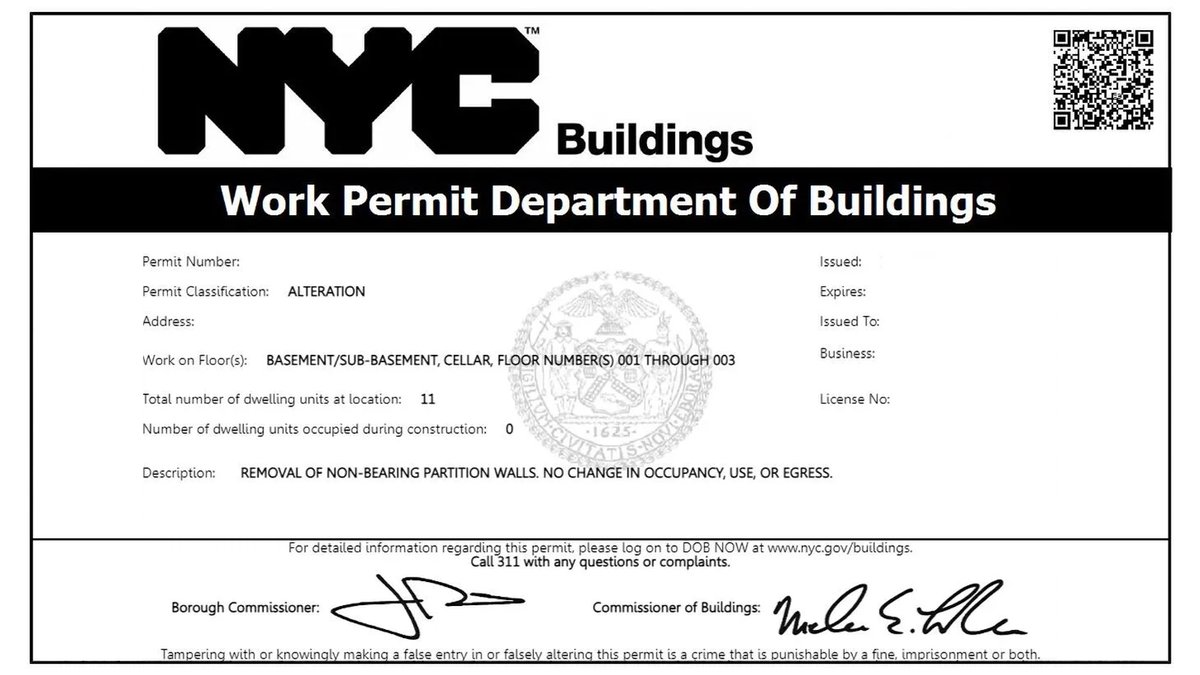
Thinking about an apartment renovation? Does the thought make you board stiff?
No, that’s not a typo — it’s a pun — and it’s exactly what you’ll need — a board stiff — to ensure you can procure the necessary permits to conduct your apartment rehab.
As of the end of January , the New York City Department of Buildings (“DOB”) has implemented a procedural change that is reshaping the permitting process. The DOB’s DOB NOW: Build platform now requires that a building’s board is added as a stakeholder in a job filing. This means that, before a permit can proceed through the DOB’s system, a representative of the board must login and electronically attest that the board has authorized the application.
Up until this change, co-op and condominium boards typically reviewed alteration requests through internal building procedures, namely via an “alteration agreement,” a written contract between a property owner or co-op/condo shareholder and the building or governing board that sets the terms, approvals, and conditions under which renovations or modifications to the unit may be performed. Prior to January, though, the city’s permitting process itself did not require direct board confirmation. Architects and engineers could file plans with the DOB once a shareholder or unit owner engaged them, while building boards controlled whether and when work could proceed inside the building. This kept contact between the DOB and the board to a minimum and informal, at best. By integrating a board representative as a stakeholder within DOB NOW, boards are now formally represented and within the regulatory process.
This procedural update was introduced as part of a broader set of DOB NOW changes , including modified filing fees for certain alteration and demolition jobs, new procedures for Loft Board requests, changed sidewalk shed permit renewals under Local Laws 48 and 51 of 2025, and more. While we can draw our own conclusions — and we’ll speculate below — the DOB has not publicly framed the board-attestation requirement as a response to a specific problem. It does suggest, though — and this is the speculation part — that discrepancies have persisted between submitted plans, i.e., those that have been submitted and/or approved by both the DOB and the board, and the eventual work, i.e., “This doesn’t look like what we approved!”
For existing and prospective shareholders in co-op buildings and owners of condominium units , the immediate effect is procedural rather than structural, but it changes how timelines for renovation projects may unfold. Any project that requires a DOB permit — typically Alteration Type-2 filings for kitchen or bathroom renovations involving plumbing , electrical , mechanical , or structural work — will now require the board to complete the digital attestation before the permit application can advance through the city’s review process. In practice, this formalizes a step that (usually) already existed, albeit informally. However, because the attestation now occurs inside the DOB system itself, delays in board review or in the building’s internal process can directly delay the issuance of permits. Moreover, buildings must designate authorized representatives with NYC.ID accounts who are responsible for logging into DOB NOW and completing the attestation.
For residential sellers , the implications depend on whether improvements are planned before bringing a property to market. Some sellers undertake renovations, e.g., kitchen or bathroom updates, to improve market value. If the work requires DOB permits, the board attestation requirement introduces a step that must occur before those permits move forward, potentially slowing down progress. In cases where a seller plans only cosmetic work that does not require permits, e.g., painting , refinishing floors, replacing cabinets, the new rule has little practical effect.
Ultimately, the real impact of this update is that the approval process could add some drag. On the Lower East Side, however, many co-ops are large and well established, with clear precedent, regular board meetings, and well-trodden procedures. Regardless of where shareholders stand on specific issues, these measures are already in place, and parties can rely on their representatives and service providers to guide them through — simply allowing for a bit of additional time for board participation.
Now, the only question is whether the process will be so long as to have you bored stiff.
Sources:
NYC Department of Buildings Now Requires Stakeholder Attestation
NYC DOB Final Rule: Amendment of Rules Relating to Artwork on Temporary Protective Structures
NYC Department of Buildings Now Requires Stakeholder Attestation for Permit Applications
Permit Requirements for NYC Renovations: When Do You Really Need the DOB?
You may also enjoy

Is the path to an NYC condo renovation different from a co-op?
Learn the differences between co-op and condo renovations, including approvals, permits, alteration agreements, and board oversight on the Lower East Side.