

Yay, we bought an apartment! When can we start our renovation?
More For LES Renovation Series
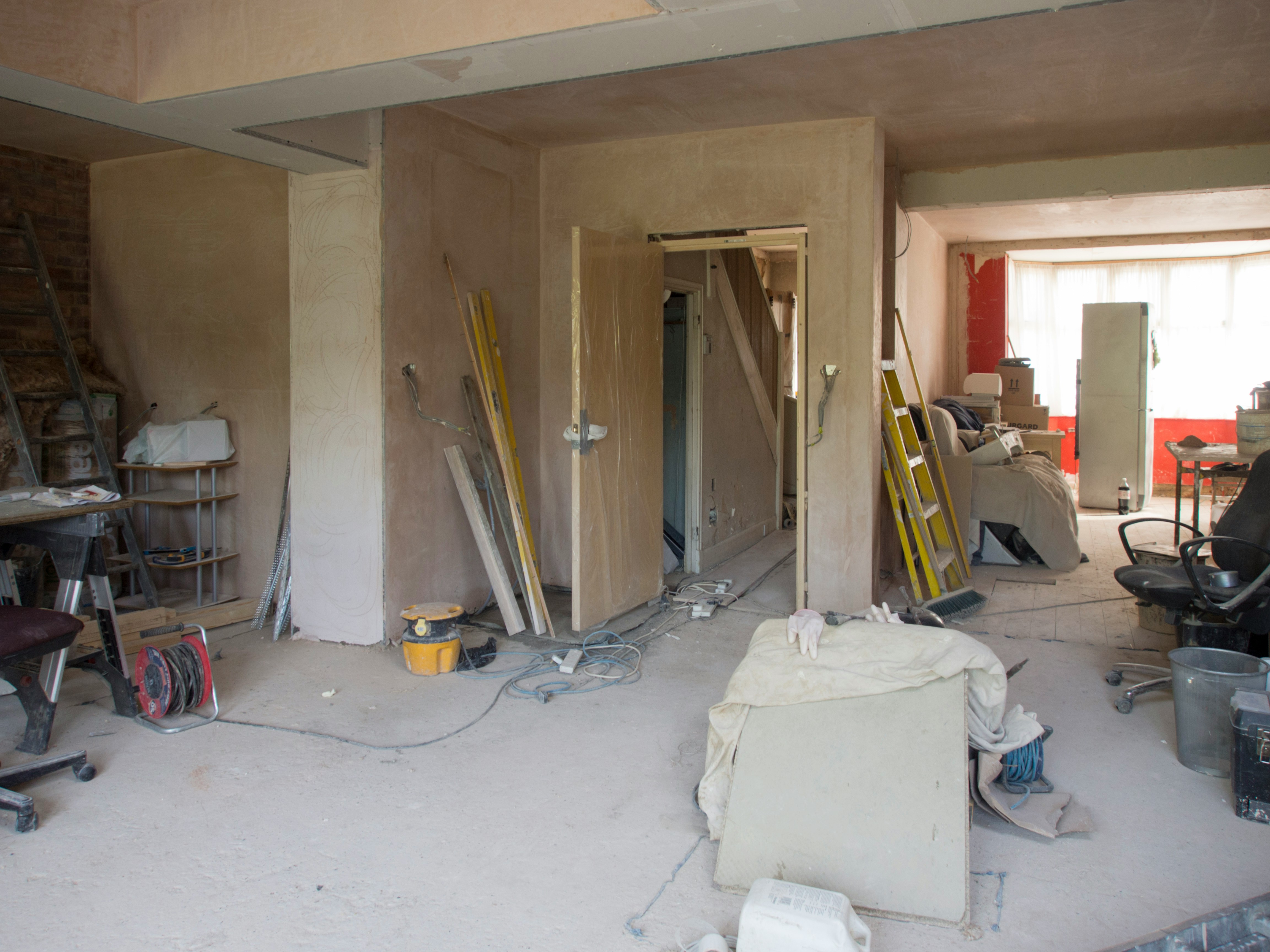
Tabitha is jazzed. She and her family have just closed on an apartment in Seward Park Cooperative on Manhattan's Lower East Side—and she has been waiting for this day.
For years, she has lived with three boys. Technically, it's two boys and one man, but the distinction feels meaningless when all four of them share a single bathroom in a two-bedroom Chelsea rental. Soon, though, their rental days will be behind them, and that is an exhilarating prospect.
They've saved money and, with the help of the More For LES Budgetizer, they've planned. They've also used NYC Service Pro to find the right professionals for the job.
Now they are planning a comprehensive renovation, with particular attention to what matters most: dramatically expanding Tabitha's closet space. She envisions ample storage for winter and summer wardrobes, luggage for her extensive travels, and everything else currently competing for precious square footage.
Just as important, the new apartment will give her a bathroom that she shares with only one of the aforementioned boys. At least, that is the current plan. Tabitha has threatened to make her husband share a bathroom with their sons instead. He secretly hopes she is joking.
Tabitha does need to temper her excitement, however, because the renovation will probably take somewhere between six and nine months. That raises two important questions: How long will the entire process take, and when can the work actually begin?
The family wants to do this properly. They have hired an architect and worked through the process of interviewing and selecting a general contractor to oversee the renovation.
As dedicated More For LES readers, they had two helpful resources at their disposal. First, they consulted NYC Service Pro, which gave them a selection of recommended architects and general contractors to consider and interview. Starting with professionals who had already been recommended made the search feel far more manageable—and put them on a more comfortable path toward choosing the right team.
They also used Budgetizer to evaluate their prospective purchase, estimate the renovation's likely cost, and plan their cash flow for the months ahead.
Yet despite all their preparation and research, one crucial detail remains unclear: When, precisely, can the renovation begin?
When can we start?
For many co-op buyers like Tabitha and her family, the interval between closing and construction is surprisingly complicated. A seemingly straightforward apartment renovation may require approval from the co-op board, its managing agent, and its consulting architect or engineer.
The plans must be filed with the Department of Buildings (DOB), with separate permits issued for the various trades. If asbestos is present—as it often is in older buildings—it must be properly documented and addressed, along with the submission of contractor insurance and a protection plan for neighboring apartments and common areas affected by the project.
In Tabitha's case at Seward Park Cooperative, the high-level process is as follows:
Following closing, the purchasers sign the alteration agreement. (At Seward Park, all purchasers sign the standard alteration agreement, which incorporates the renovation plans.)
↓
Orsid, Seward Park's property management company, and the building architect review the plans
↓
The Board approves the renovation concept (provided, of course, that the plan is sound and generally consistent with precedent)
↓
Tabitha's architect files the project with DOB
↓
DOB reviews and approves the job filings
↓
The contractor pulls the required work permits
↓
Permits, insurance certificates, contractor documents, and other required materials are submitted to Orsid
↓
Seward Park executes the alteration agreement, and Orsid issues final approval
↓
Tabitha gives her family's new neighbors five days' notice before construction begins
↓
Work begins
Sounds simple—and possibly seamless—but a few distinctions matter.
First, Orsid is the manager and coordinator, but Seward Park Housing Corporation is the entity that grants permission for the alteration. In practice, Orsid collects the package, coordinates review by the building architect, verifies insurance and permits, and communicates the final decision. The Board approves the renovation concept, while Seward Park's executed alteration agreement provides the formal authorization to proceed.
Second, an approved DOB job filing is not yet a construction permit. It simply means the City has approved the proposed work. The general contractor must still pull the required permit or permits before workers can begin.
Finally, Tabitha and her family should not consider the filing process complete until Orsid has received the final package: approved permits, contractor insurance, licenses, deposits, neighbor notices, and any other required documents. Only then can the co-op give its final authorization for work to begin.
What is the fastest this can happen?
In a best-case scenario, Tabitha's general contractor might begin work about four to five weeks after closing—but that is an aggressive schedule and assumes everything proceeds smoothly the first time. It also assumes that Tabitha and her family have:
- A complete architectural design team and contractor in place
- Approved plans with no required revisions
- A single round of review from Seward Park's building architect
- Access to an available co-op Board that can promptly review and approve the renovation concept
- An architect who files through DOB's Professional Certification process
- A Tenant Protection Plan and permits completed without issue
- Every insurance certificate, deposit, license, and contractor document ready when Orsid requests them
The good news—particularly on the Lower East Side—is that co-ops like Seward Park tend to run well-organized, efficient alteration processes, making this timeline entirely possible.
The bad news is that there are inevitably new people, new processes, unexpected hiccups, revisions, and other very human elements that can slow things down.
This is Part 1 of the More For LES Renovation Series. Click here to read Part 2.
You may also enjoy

Who does a listing agent actually work for?
Learn who a New York listing agent represents, what fiduciary duties they owe sellers, and why confidentiality matters during a real estate transaction.