

WhatsApp'ening on the LES
Background & Underground Communication Networks
Within large New York City cooperatives — and especially, or so it seems, among those on the Lower East Side — shareholder groups tend to intensify around moments of friction . These include proposed capital projects , board succession planning , or perceived gaps in communication .
Sometimes, these intensifications flare up and combust during formal occasions like town halls and board meetings . The fuel, though, tends to come from moments in-between , i.e., the Before and the After. When shareholders organize , they are often responding to something specific but what emerges is rarely singular. Instead, the discourse spans process , money , safety , identity , logistics , and daily life , often all at once. The comments — or gripes — tend to reflect the backgrounds and beliefs of the cooperators and the realities of their personal experiences.
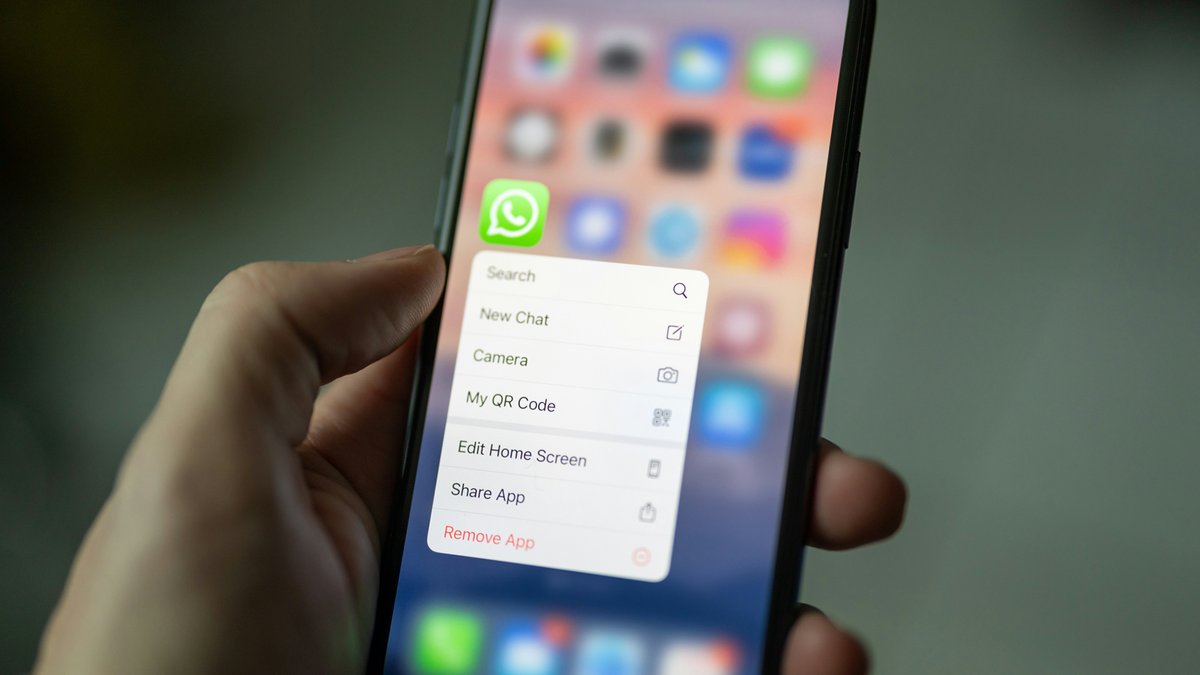
They happen below-ground , so to speak. This subterranean realm is, unsurprisingly, that of the internet and social media via websites and private, cooperative groups on Facebook and WhatsApp. Each co-op has its own virtue venue (or venues), often led by concerned residents that serve as administrators and moderators .
Like those serving in board positions, these folks are also occupying thankless volunteer roles where they’re opinionating , arbitrating , appeasing , peace-making , and governing .
What I find most compelling about these groups is how multiple co-ops, situated within blocks of one another , can coexist in such close proximity yet surface distinctly different priorities, tensions, and areas of focus .
That’s not to suggest there isn’t meaningful overlap . At a high level, many of the themes recur. But what’s striking is what rises to the top at any given moment for each constituency — what feels urgent , what feels unresolved , and what captures the attention of the collective . Let’s take a look .
Seward Park Cooperative
At Seward Park, the hottest conversation centers on the proposed lobby and landscape renovation project . A formalized shareholder group, publishing under “The Seward Park Cooperator,” articulates its position in procedural and financial terms :
“We are calling on the Board to seek shareholder input ; keep costs low long term ; design for real people, not realtors1 ; and prioritize safety and accessibility .”
The group points to a 2016 estimate of roughly $4 million compared with a current projection of approximately $32.7 million for related work. (While that gap is significant , it’s worth mentioning that the required funds are already in place , i.e., the project is not being funded through increased maintenance fees or assessments.)
The issues, if I’m interpreting correctly , are less about the actual amount and more about who is driving decision-making and how shareholders will benefit (or the opposite , per our recent piece, Closing one door to open another).
“We would expect a $32 million investment on the part of our co-op to start with a clear understanding of shareholder priorities and goals ,” they write, going on to propose more effective means for engaging the community and extracting design ideas from data-backed trends .
The organizing effort includes a petition , and a detailed letter signed by architects and designers who live in the complex . Their critique focused on process , ADA slopes , emergency access , lobby depth , sightlines at the security desk , sequencing for Local Law 97 compliance , and the availability of pencil sharpeners in every elevator . (No, just kidding . Everyone has to supply their own pencil sharpeners.)
East River Housing Cooperative
Relative to Seward, East River presents a wider spectrum . Here, though, conversations span both WhatsApp and Facebook environments , and move fluidly between the urgent and the mundane .
A discussion about immigration enforcement and U.S. Immigration and Customs Enforcement (ICE) presence illustrates how quickly a co-op chat can become a forum for safety , identity , and governance . What starts as a heads-up that ICE is patrolling the neighborhood spins into proposed building-level protocols :
“I would like to see something from management, basically: [1] we’re shutting down side doors ; [2] instructed security that masked individuals are not allowed in … [4] if they are in, we cannot force them to leave; [5] stay in your apartments . Do not step outside your apartments to record … [6] STAY 10 feet away and DO NOT physically get in the way or touch them.”
The moderator intervenes :
“To keep this group useful and grounded, we’re trying to focus on NYC-specific, verifiable information and practical guidance relevant to our buildings and residents.”
Within hours , the conversation pivots to boiler mechanics and heater valves .
“Before I call maintenance , does anyone have any solutions for a stuck heater valve?”
(This type of question is what spawned the birth of NYC Service Pro , a hyper-local directory of community-recommended service providers. Reach out directly to me for a guest invite .)
Hillman Housing
Hillman’s Facebook group reflects a more compressed but similar pattern . Posts circulate free goods and real-time retail logistics .
“Does anyone want these? First come first serve!”
A local Trader Joe’s closure prompts a rerouting advisory : “Local Trader Joe’s closed due to water maintenance . Take 14 buses to 14th and Avenue A….” Later, there’s an update :
“It is back open today but no escalator down.”
Taken together , these three co-ops show different intensities of mobilization but a consistent underlying theme: cooperators must cooperate to ensure a positive experience for the collective .
If you got something more out of this LES newsletter, please tap the Like button below.