

The Big Five of the Lower East Side
An Urban Safari of Predators and Pests
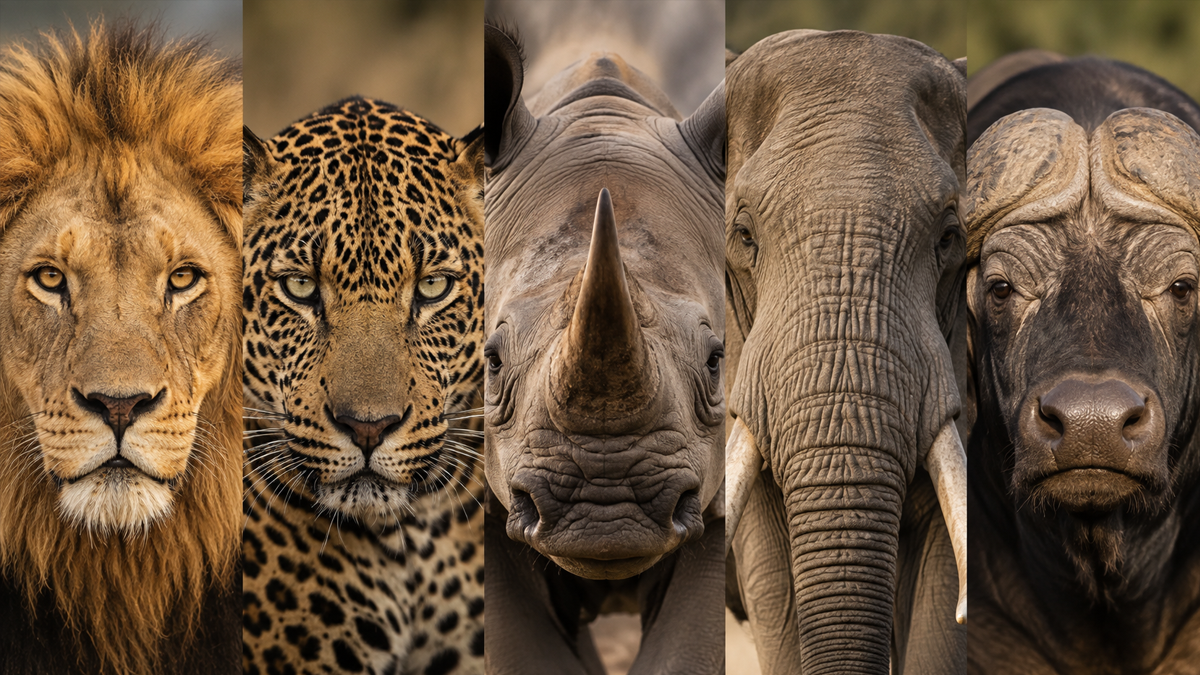
Recently, I returned from an incredible trip to South Africa, where I ventured into the bush with my extended family in search of the Big Five.
The Big Five is shorthand for five of Africa's most iconic animals: the lion, leopard, rhinoceros, elephant, and African buffalo. The term originated with big-game hunters and referred not to the five largest animals, but to those considered the most difficult and dangerous to hunt on foot. Our goal, thankfully, was to capture them by sight rather than sport.
The trip was spectacular, albeit freezing, as we ventured out before sunrise and again as the sun set, during periods when the animals were typically most active — hunting, feeding, and moving.
Because elephants have overpopulated parts of South Africa's North West Province, their voracious consumption of vegetation has left much of the landscape covered in low-lying brush with limited tree cover, exposing us to harsh winds. It was freezing, at times, but seeing these creatures up close and uncaged was exhilarating. Not to mention that Ranger Coffee — a concoction that combines French-pressed coffee, hot chocolate, and Amarula — added some much-needed warmth.
At some point on the drive, I was chatting with my mother-in-law about the Big Five and we pondered: What are the Big Five of the Lower East Side?
Here we go.
First, though, an important distinction. The African Big Five are all animals of intrigue, each with their own mystique. Some are predators, but all are imposing animals that have historically presented challenges and dangers to hunters, as opposed to many of the animals we encountered more frequently, like the zebra, impala, and kudu.
As we look to the Lower East Side, our Big Five could certainly include pollinators or some of our local birds, but it's primarily pests that we focus on because of the ways they impact our community. We are constantly battling to shoo them, shun them, trap them, poison them, and remove them as they make our habitations less inhabitable.
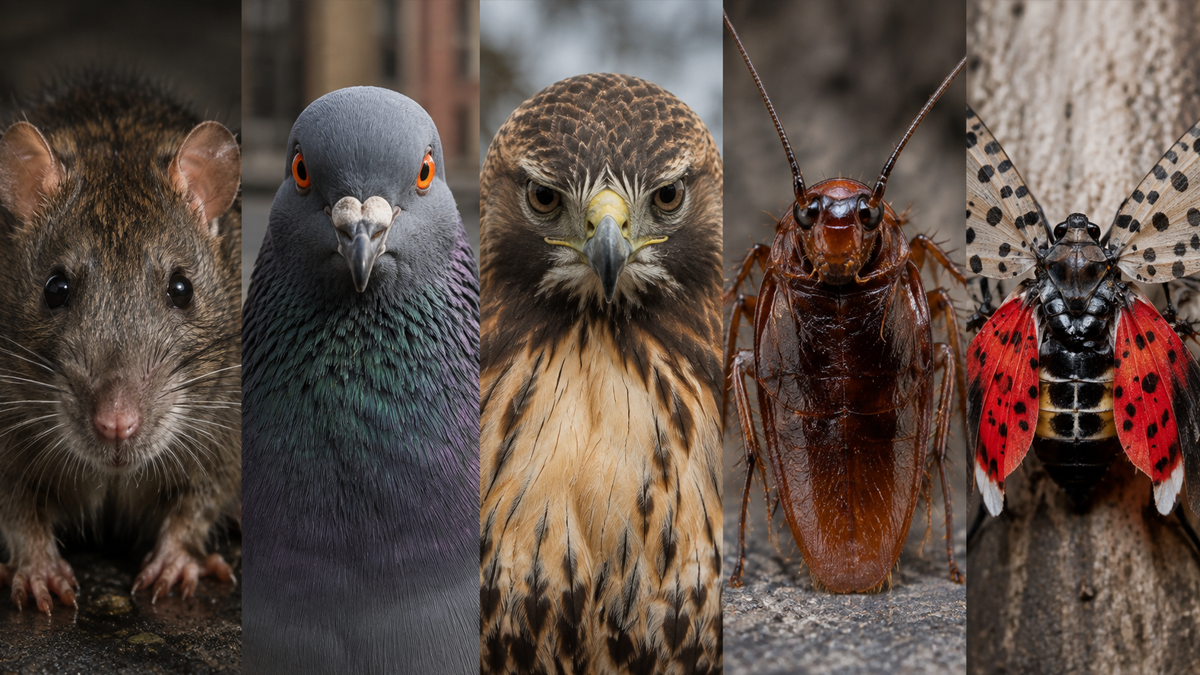
Rats
There is perhaps no creature more synonymous with New York City than the rat. Rats thrive alongside us, taking advantage of the food, garbage, shelter, and built environment that our city provides. They contaminate food, can spread disease, damage property, drag pizza down the stairs, and diminish quality of life.
Unlike other pests, there is considerable data documenting their presence. NYC Health receives roughly 40,000 rat complaints through 311 each year, although complaints are imperfect data points. What’s easier to track are signs of rat activity, like burrows, droppings, tracks, gnaw marks, runways and rub marks, as well as living and dead rats.
If you’re curious to see how we’re doing on the LES, visit the Rat Information Portal. The site lists inspections and indicates whether a property has recently passed or failed for rat activity. Manhattan Community District 3 is among the areas included in the city's rat-indexing efforts, an approach based on the recognition that rats aren't simply a problem at individual properties — they establish themselves across blocks and neighborhoods, taking up unwanted residency.
Pigeons
Pigeons, or “skyrats” as they’re often called, adorn — or infiltrate — rooftops, ledges, perches, and sidewalks.
The most prevalent species is the rock pigeon, Columba livia, with estimates of more than one million pigeons living throughout New York. While this figure can’t be substantiated, we can agree that there are plenty of “dirty-birds” strutting about, cooing, flapping, and keeping pedestrians on their toes, ducking, and peering up with trepidation when passing under awnings and overhangs.
Unlike rats, pigeons themselves aren't generally much of a threat to New Yorkers, although their waste can be a hazard. The city considers excessive accumulations of pigeon droppings an unsanitary condition, and property owners can be required to clean them up. Pigeon droppings have been associated with diseases including cryptococcosis, histoplasmosis, and psittacosis, although experts say that contracting a pigeon-related disease is rare.
For those of us on the Lower East Side, and particularly those with balconies, pigeons are known to roost if you are not vigilant. Check out the More For LES video collection, which includes a number of shorts on pigeon-proofing your balcony.
Red-Tailed Hawks
When shooing pigeons isn’t enough, and it never is, the red-tailed hawk can pick up some of the slack.
These birds of prey have adapted remarkably well to life in New York City, where buildings and bridges provide substitutes for the cliffs and other high places they use for nesting in the wild. Rodents make up a majority of their diet, although they also eat squirrels, rabbits, reptiles, and other birds — including pigeons. Urban red-tails are opportunistic hunters, taking advantage of the prey available around them.
As of 2016, the city reported at least 20 red-tailed hawk nests in Manhattan, up from just eight in 2010. They have been documented nesting and hunting around Washington Square Park, Fifth Avenue, NYU buildings, and East River Co-op, which the More For LES team can verify.
Cockroaches
If you live in New York, you’ve seen one of these. The American cockroach is the large, reddish-brown variety most of us see, with some folks calling them "water bugs" so as not to shudder or admit that their home is roach-infested.
The American cockroach is no patriot, and is commonly found in moist basements and lower floors. (For those of us living in large co-ops on the LES, we frequently find these scampering on the floor or dancing helplessly on their backs near the laundry rooms and trash deposit areas.) The German cockroach is another, but it is smaller and can be found living inside apartments, kitchens, and other places where it can find food and water.
Cockroaches are ubiquitous. In a 2003 city survey, adults in nearly 30 percent of New York City households — approximately 874,000 households — reported cockroaches. (We refuse to find a more recent survey.)
And while the visceral reaction to discovering one scurrying across the kitchen floor may be reason enough to consider it a pest, cockroaches create more tangible problems. Their body parts, saliva, and feces contain allergens that can exacerbate asthma, and they can contaminate food.
Like rats, their success in New York is closely intertwined with how we live. Our buildings provide warmth and shelter. Our kitchens provide food and water. Cracks, pipes, walls, basements, and adjoining apartments give them ways to move around without necessarily being seen.
Spotted Lanternflies
First discovered in New York City in 2020, these pretty — but harmful — creatures have become increasingly familiar warm-weather sights.
Identifying one isn't always as straightforward as you might think because its appearance changes substantially over its life cycle. Early nymphs are black with white spots. Later they become red and black with white spots. Adults have grayish wings covered with black spots, concealing striking red hind wings, along with a black head and yellow-and-black abdomen. In full maturity, though, these bugs are quite lovely when their wings are spread.
Yet they can be harmful to plants and remain an invasive pest that officials are working to control.
Lanternflies feed on plant sap and can congregate in large numbers. Heavy feeding can weaken plants and leave them more susceptible to disease, other insects, and winter injury. After feeding, they excrete large quantities of a sugary substance called "honeydew." It can coat the surfaces underneath infested trees and plants and encourage the growth of black sooty mold.
LES Big Five v. African Big Five
While the LES Big Five are far less impressive — and considerably less expensive — to witness than their African counterparts, they are also a reminder that our own ecosystem is shaped, at least in part, by us.
How we live, how we dispose of our garbage, how we maintain our buildings and sidewalks, and the policies and practices we support can all help reduce our inevitable encounters with some of these creatures. Being good neighbors means keeping our buildings, sidewalks, and public spaces clean and clear, denying pests the food and shelter that allow them to thrive.
At the same time, each of these creatures interacts with our urban ecosystem in its own way, even if we don't particularly enjoy sharing our habitat with them.
And if you happen to spot a red-tailed hawk circling overhead, root it on and let it do its work.


