
The Bad Al-Bunny halftime show: Kathí Me Preguntó
How Property Tax in NYC is a Zero Sum Game for Mayor Mamdani
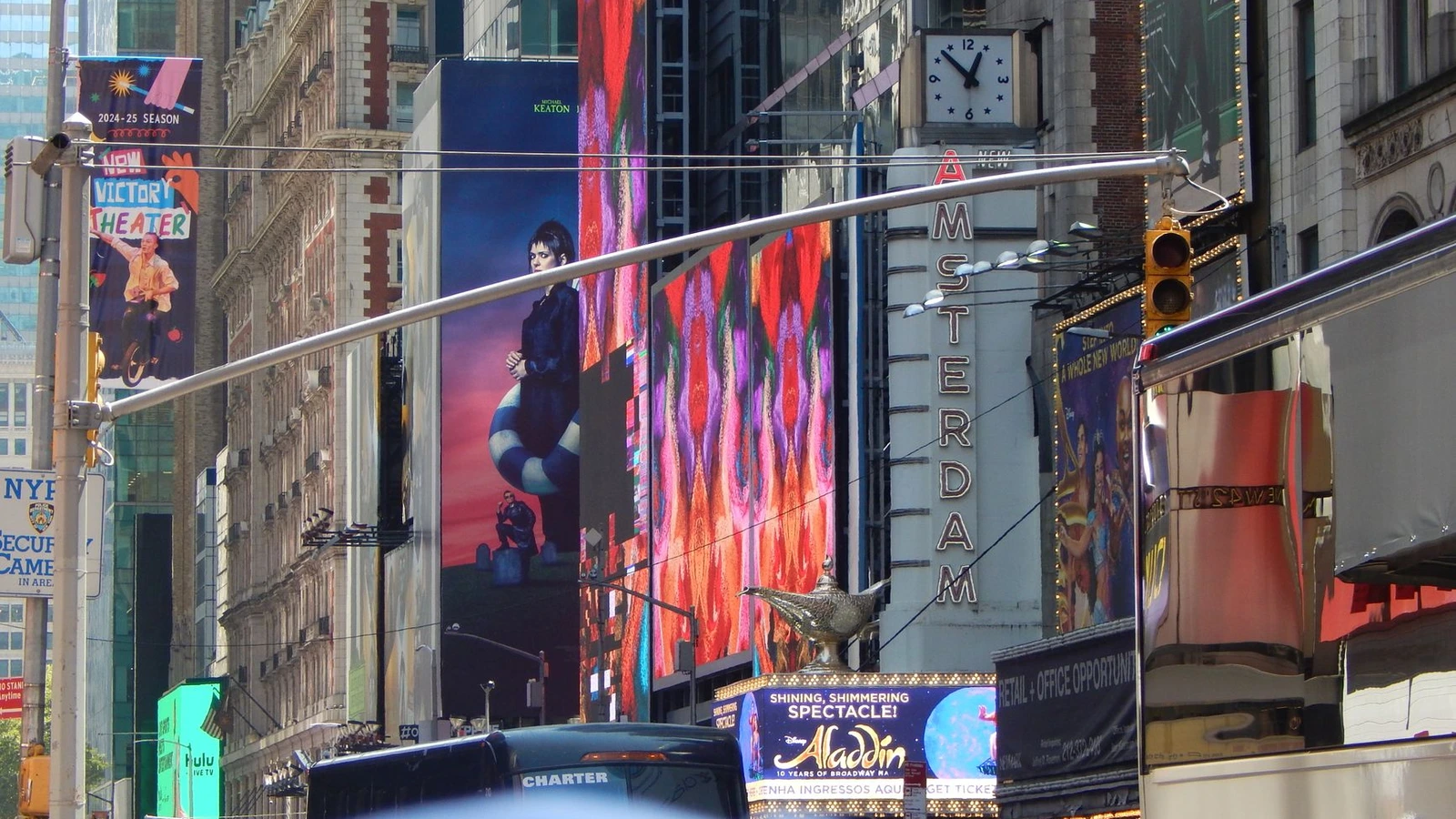
Being the mayor of New York City is a tough job. (I don’t want it.)
It requires thick skin, backbone, a short memory, and a willingness to anger both friends and enemies.
Hizzoner Zohran Mamdani now has this privilege, and he’s currently riding the express train to Mad Central Terminal. (Yep, it’s in Madtown, and let’s keep the puns coming.)
The issue: How can New York City raise revenue without increasing property taxes amidst a $5.4 billion budget gap and an existing system that is widely viewed as inequitable?
The answer? Mamdani probably can’t, but he’ll definitely madden his friends or enemies or both.
The current property tax system in New York City treats buildings differently based on their size and type, rather than their actual market value. Smaller houses, like one- to three-family homes, benefit from legal limits that prevent their taxes from rising too quickly, even when property values in the neighborhood soar.
On the other hand, large apartment buildings are taxed much more aggressively based on their potential income, with very few protections against rising costs. This creates a massive gap where two properties worth the same amount of money can end up paying completely different tax rates.
Note, of course, that we said, “...where two properties…can end up paying….” This is intentional, as the current property tax system assesses taxes to the properties themselves, not people, although it’s the humans that actually pay.
In large apartment buildings — whether they’re rentals, co-ops, or condos — the tax bill is divided up and passed on through monthly rent or maintenance fees. This means that the residents of high-density housing, who represent the majority of the city’s population, end up paying a much higher share of the city’s taxes than those living in one- to three-family homes. Note as well that the taxes are not usage-based nor do the services offered to either differ — despite the fact that the sanitation department, for instance, may spend more time or exert more effort in delivering services to a large property.
To illustrate the point, let’s consider two properties with the same total market value of $30 million. A three-family building, assessed at a capped value of $18 million and taxed at 1%, generates $180,000 in annual property taxes, or $60,000 per household. A 30-unit multifamily building, assessed at its full $30 million and taxed at 2%, generates $600,000 in annual taxes, or $20,000 per household. While the per-household cost is lower in the larger building, the key point is that the multifamily property produces $420,000 more in total tax revenue for the city despite having the same underlying value, illustrating how the system assigns a higher aggregate tax burden to that type of property.
This issue is important.
Property taxes are the city’s largest and most stable revenue source. They’re also a lightning rod, charging up constituents on all sides of topics like housing affordability, development feasibility, and landlord operations.
Notably, the system is designed as a zero-sum game, meaning that any proposed change will simply shift the burden. Say, for example, that Mamdani lowers taxes on rental buildings. That deficit will have to be otherwise made up by someone, somewhere — something that already has to happen, somehow, given a $5.4 billion deficit.
At the same time, having campaigned on a proposed rent freeze and tenant protections, high property tax obligations — which are paid by building owners and not directly adjustable through rent in regulated units — would put additional pressure on landlords to fund maintenance and operations, particularly in rent-stabilized buildings.
This, in particular, is where the city’s revenue requirements intersect with the housing affordability crisis. Mayor Mamdani has sought to push for increased taxes on high-income earners and corporations at the state level, using the prospect of a property tax increase as leverage in negotiations with the Governor and state representatives in Albany. That approach met immediate resistance from a wide range of stakeholders, including progressive allies, centrist Democrats, and legislators representing homeowner-heavy districts, particularly among Black homeowners who viewed a property tax increase as directly harmful to middle-class households.
Yet, Mamdani proposed a rent freeze as part of his electoral campaign. If rents hold but property taxes also hold, the budget deficit will have to be made up some other way — and it won’t be via free bus fares.
An innate tension exists between renters, homeowners, and landlords, each of whom would be affected differently by any redistribution of tax burden. There is also an innate tension between City Hall and the broader New York, as New York City’s density and diversity differ drastically from that of our great state’s inlanders.
The tension, though, is real — even on the Lower East Side.
Here’s an excerpt from a recent board communication from a local co-op:
On May 1, 2026 monthly carrying charges will increase. The recently released proposed city budget is $127 billion which represents [an] increase of $12 billion over last year’s budget [which] must be passed along to all of us in the city. Real estate taxes, water and sewer alone account for almost 40% of our budget. Additionally, our utility bill is now 17% of the total budget.
57% is above typical range, but not out of whack for New York City.
Jamie Dimon, one of the most respected and influential figures in New York City’s corporate landscape and CEO of JPMorgan Chase — and, notably, a fellow early riser — offered a less direct but no less pointed view on the role of taxes and regulation in shaping the city’s future in his letter to shareholders. Dimon’s argument: Cities must actively compete. Meanwhile, tax structures and regulatory frameworks influence where people live, where capital flows, and whether investment is encouraged or constrained. When misaligned, they risk dampening growth.
Through this lens, housing must also be calibrated thoughtfully to reinforce long-term economic strength and stability.
As of now, it appears that the mayor has backed off on plans to raise property taxes, but this also means the budget deficit is unsolved, meaning that Mamdani will have to find a creative solution — that, or rely on his thick skin, backbone, and short memory, as he is likely to have some angry friends or enemies.
Kudos to MM, a dear reader and a fellow Woodlands Falcon, thank you for sharing this topic with me!