

Game Snow-ver! (Yup, that's mine.)
Who's on the hook, or the plow, when the weather turns nasty
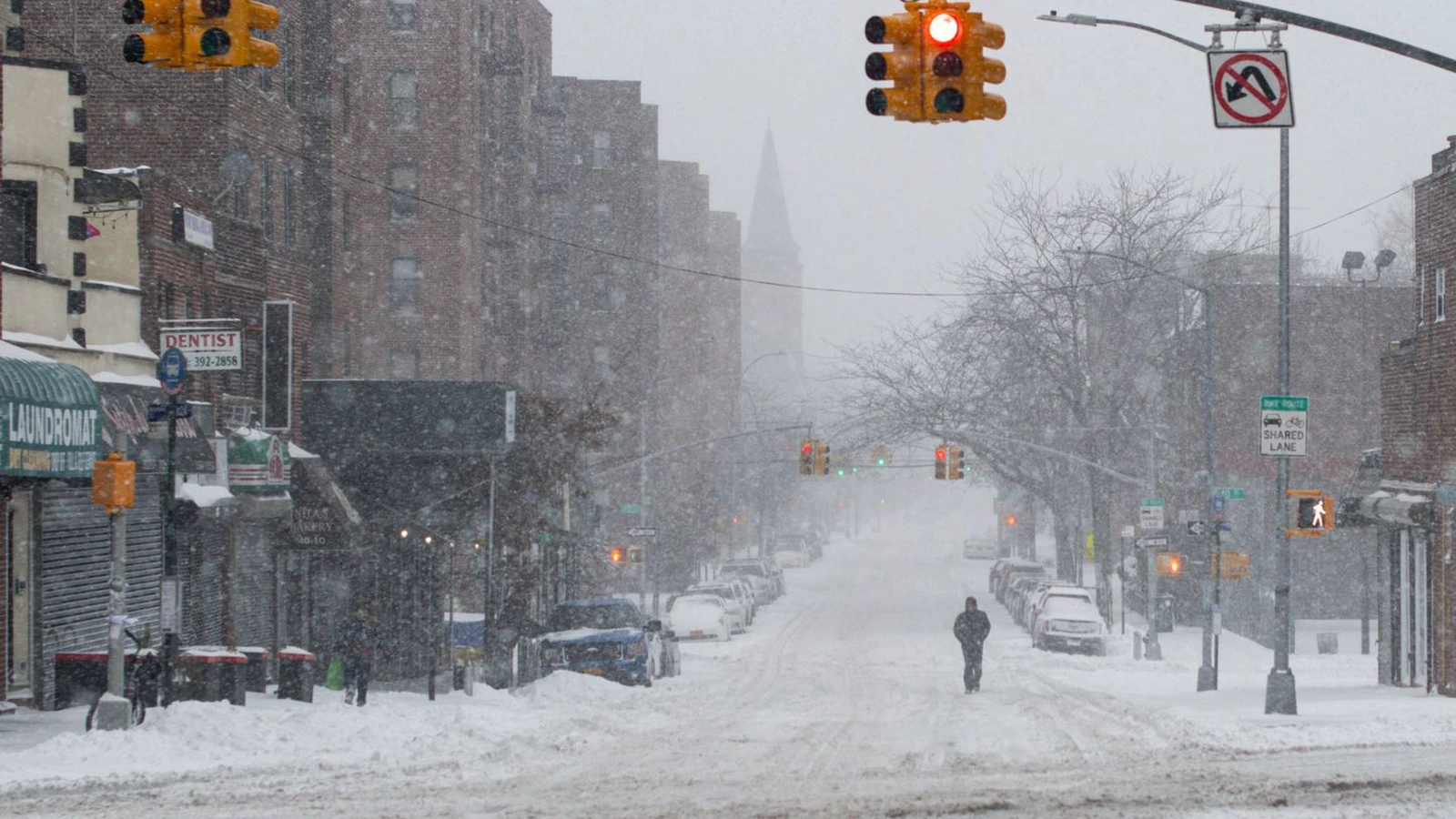
Have you dug your way out of last Sunday’s Snowmageddon-Snowpocalypse-Polar Vortex?
None of those “Oh, no! It snowed and the world’s over” cliches quite work for me, so let’s try a new one (that I think I made up): Game Snow-ver!
Puns aside, the storm had me thinking about snow clearance, obligations, and how services are rendered across the Lower East Side. I reviewed a few sources, including CooperatorNews and the NYC Department of Sanitation to get a (snow shovel) handle on the situation.
Snow and ice management in New York City is a legal obligation, a safety issue, and a form of public-space stewardship. Recent winters have produced heavier, icier precipitation — as Sunday’s Game Snow-ver proved — increasing:
Slip-and-fall risk
Damage to buildings through freeze-thaw cycles
Water infiltration
Seasonal misery
From a real-estate and building-operations perspective, snow removal is an emergency service, not a cosmetic one. Timely clearing:
Reduces injuries
Limits legal exposure
Protects infrastructure
Keeps sidewalks functional as essential neighborhood corridors
It also helps to manage community concerns and fears, such as reflected in comments like these actual ones from 10002:
“Hours after it started snowing, the path…appeared not to have been shoveled or salted. Slipped twice.”
“Are we prepared for the snow? Last time we were not. Remember the icy sidewalks?”
“A maintenance person told me there was no one to run the snow plow.”
“[The streets] are covered with black ice. No signs of salt. Saw someone slip.”
“Why don’t we plow the whole sidewalk anymore?”
“Everyone, please be very careful.”
Ya dig?
Under the NYC Administrative Code , any person or entity in charge of a property — including homeowners, landlords, co-ops, condos, businesses, and property managers — is responsible for clearing all adjacent sidewalks (front, side, and rear). Responsibility also includes:
Clearing snow and ice around fire hydrants (required by law)
Removing snow ridges left by city plows in front of driveways
Avoiding placement of snow in streets, crosswalks, or pedestrian ramps
Snow pushed into the street can result in a $100 fine. I know I’ve never seen snow ridges or snow in the streets. (The sarcasm game is strong, y’all.)
There are also temporal parameters for removal, and increasing penalties for repeat offenses. For instance, sidewalks must be cleared within the following windows after snowfall stops:
7:00 a.m. – 4:49 p.m. → within 4 hours
5:00 p.m. – 8:59 p.m. → within 14 hours
9:00 p.m. – 6:59 a.m. → by 11:00 a.m. the next day
Be sure to sit by the window sill and watch!
Failure to comply can result in escalating fines:
$100–$150 (1st offense)
$150–$350 (2nd offense)
$250–$350 (3rd and subsequent offenses)
If you had any curiosity about how the city defines “clearing,” fear not : there are requirements for how wide a path must be on a sidewalk (4’ minimum), what needs to be accessible (crosswalks, curb cuts, pedestrian ramps), and what to avoid, e.g., snowpiling in catch basins, as it can lead to flooding post-melt.
Ultimately, responsibility lies at the organization level of a building:
For condo and cooperative residences typically the board
For businesses typically either the landlord or the tenant (depending on lease terms)
For public housing NYCHA
For private residences typically the owner of the building