

Closing one door to open another at an LES co-op
My Co-op’s Renovation Project Is Bad for Residents. Can We Stop It?
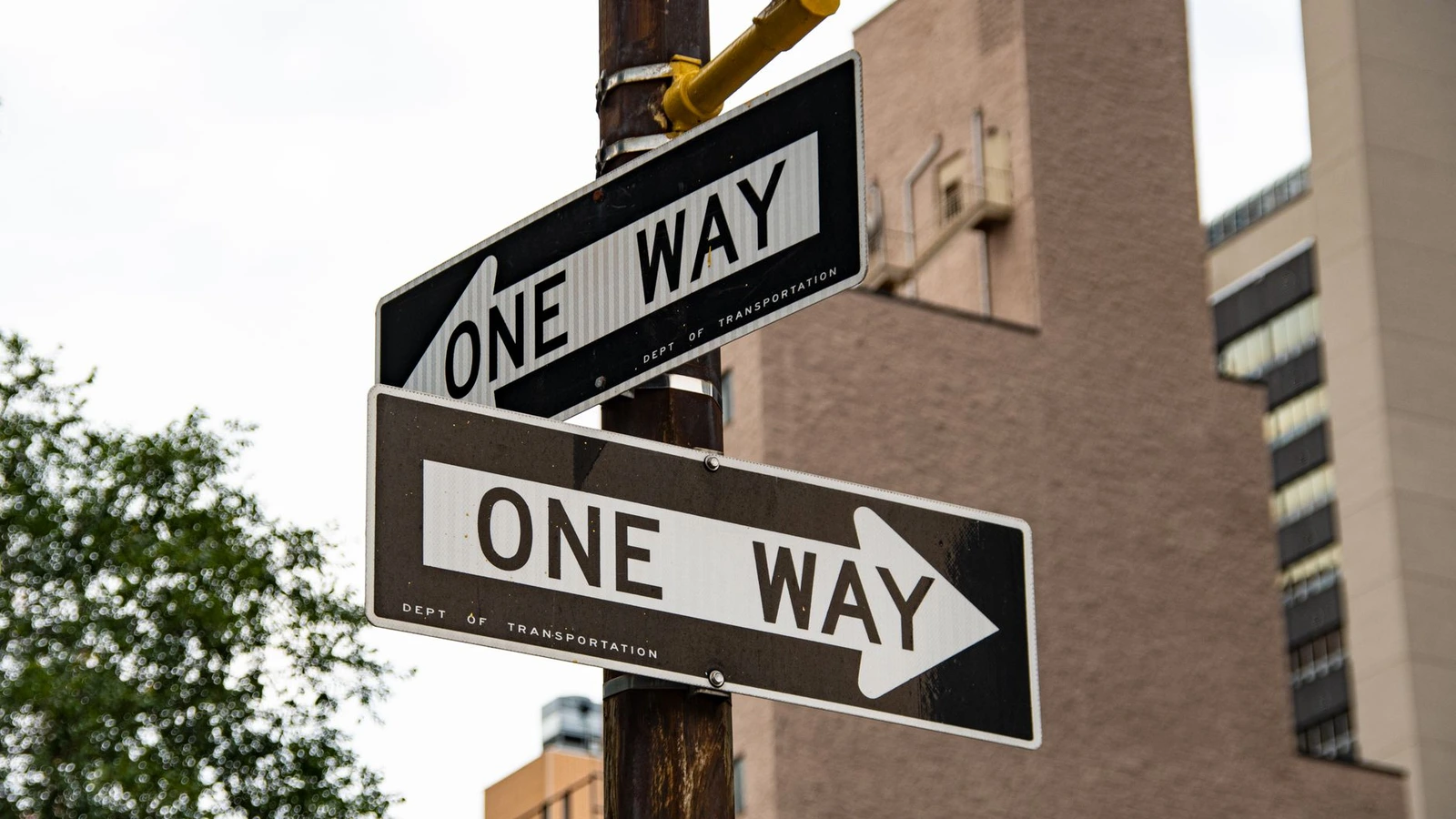
On February 7, The New York Times published a question in its Ask Real Estate column titled, “My Co-op’s Renovation Project Is Bad for Residents. Can We Stop It?”
The reader wrote:
“We live in a co-op in New York City that has four buildings spread over several city blocks. The board is redoing the lobbies and landscaping , and wants to permanently close one of the three entrances to our building.
This would mean that my husband, who uses a walker , would have to walk an extra city block each time he came and went. We have relied on the entrance they want to remove for more than 50 years. Is it legal for the board to close it when it will make life more difficult for people with disabilities?”
For those familiar with the co-ops of the Lower East Side , the reference was unmistakable: Seward Park Cooperative.
Seward is currently planning an ambitious renovation project . The proposal includes redesigned lobby entrances in all four buildings with secure glass vestibules , on-site reception desks , building-specific package rooms and KeyTrak systems, along with restored terrazzo floors .
The project also privatizes and unifies the outdoor grounds into landscaped green space with new play areas , lighting , terraces, and amenities, while adding a relocated gym , renovated community room, and a new co-working space to better serve modern residential life.
The entrance closure cited in the Times letter is one component of that broader redesign.
But accessibility concerns are not the only point of friction . Other residents have raised objections to how the renovation addresses — or, in their view, sidelines — the Hugo Gellert murals that currently define the lobby. (We’ve written about those separately.)
Before examining the more than 60 reader comments that followed the column, it’s worth first looking at what Times writer Jill Terreri Ramos suggests:
Start with the Board – Cooperative residents should voice concerns directly and collectively to the board. Governance is participatory; organizing neighbors can influence outcomes.
Check for Legal Compliance – Any change to entrances requires permits from the NYC Department of Buildings and must comply with building and fire code egress requirements. Residents can verify permits online and report unpermitted work via 311 .
Business Judgment Rule – If the board’s decision is legal and properly permitted, it is generally protected under New York’s business judgment rule, meaning courts defer to board decisions made in good faith for the building’s benefit.
Disability Accommodation Standard – Under fair housing law, a disabled resident is entitled to a “reasonable accommodation” necessary for equal use and enjoyment of their residence. However, “more difficult” is not the legal standard; the resident would need medical support showing the additional distance materially impairs his ability to use and enjoy his home.
These offerings are sound and sensible , especially given that the co-op is unnamed in the article. When context is applied, the situation becomes less about the general courses of action and more about the circumstances of life in Seward Park.
If you read 20 Years, 4 Co-ops, & 10002 , my 20-year longitudinal study of four Lower East Side cooperatives — one being Seward Park Housing Cooperative — you will be aware of the multigenerational composition of the buildings and the neighborhood as a whole. When presenting ideas for change, considering the needs of lifelong residents v. newcomers, people of strict religious observance v. the agnostic, young folks and starter families v. the elderly, the middle ground is thinner than a strip of nova from Russ & Daughters .
This is not an easy task for the Seward Park board. They are volunteers attempting to modernize four buildings and thousands of shareholder interests, while preserving history and protecting long-term value . Pleasing everyone is not realistic; minimizing friction while moving forward is.
I am openly pro-Seward and pro-board . That bias comes from understanding the complexity of stewarding a co-op of this scale into a more modern era.
Unmentioned in the NY Times article is what was required to nudge this initiative forward: a change in governance . Seward once required a two-thirds shareholder majority for major initiatives — a threshold that made significant change nearly impossible. After the air rights episode that led to 222 East Broadway — read our piece on this here — the voting structure shifted to a simple majority. That adjustment made modernization achievable.
Looking at the reader responses , the reaction spanned from sharp concern about accessibility and legality to strong defenses of board authority and modernization, with a third thread reflecting broader distrust of co-op governance itself. Many commenters centered the issue on disability and empathy , arguing that what might seem minor to some could be deeply burdensome to others. As one reader wrote:
“May you never suffer a disabling condition that would make walking one block the equivalent of running a marathon.”
Others defended the board’s authority and the collective interest of the cooperative , framing the renovation as long overdue modernization and improved security . One resident wrote,
“The lax security and multiple unsecured entrances to our buildings make for a highly unsafe environment. The board is correcting this long discussed issue and has a fantastic plan.”
For this camp, inconvenience to a few does not necessarily outweigh perceived safety gains for many .
A third set of comments zoomed out entirely , using the episode to question the co-op model itself. As one commenter put it,
“In my experience, coop boards… are not always populated by capable and well-intentioned people.”
In that sense, the debate wasn’t just about an entrance — it became a referendum on governance, power, and how shared residential communities manage change .